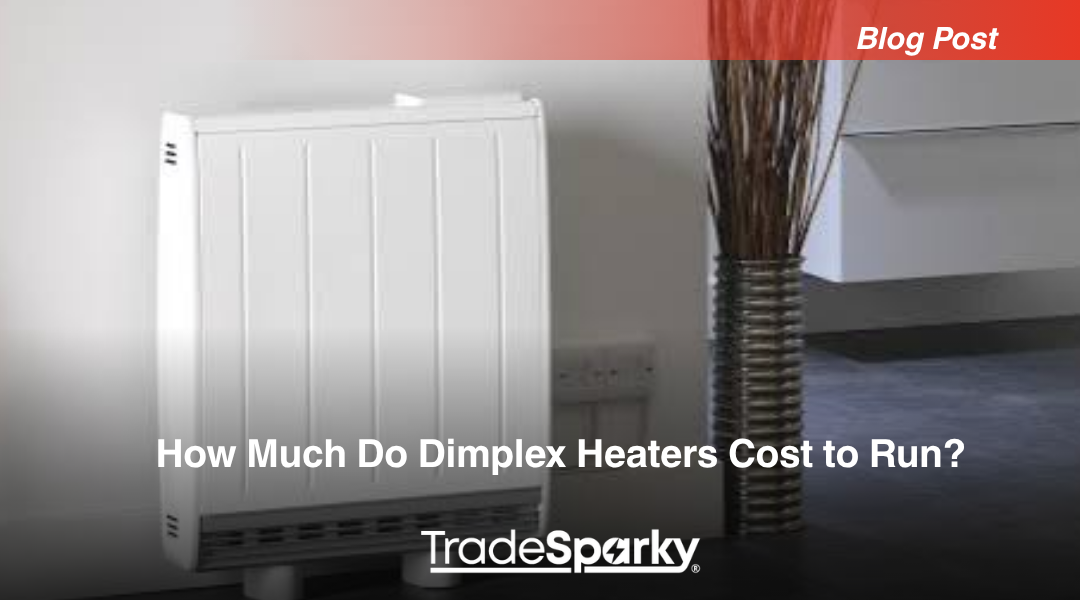
The running cost of a Dimplex heater depends on several factors, including the type of heater, its power rating, how long it is used for and the electricity tariff in place. There is therefore no single hourly or monthly figure that applies to every Dimplex heater.
A simple direct-acting heater is relatively easy to calculate because the cost is based on its power consumption and your electricity rate. Storage heaters work differently because they are designed to make use of cheaper off-peak electricity and store that energy as heat for use later.
How Do You Calculate the Running Cost of a Dimplex Heater?
For a standard electric heater, the basic calculation is straightforward:
Heater output in kW x electricity price per kWh = maximum hourly running cost
For example, a 2kW heater running continuously for one hour will use up to 2kWh of electricity. If your electricity costs 25p per kWh, that would equate to a maximum cost of around 50p for that hour.
In practice, thermostatically controlled heaters will not necessarily draw their full rated power continuously. Once the room reaches the required temperature, the thermostat can cycle the heating element on and off to maintain it.
Room insulation, outside temperature, heater sizing and your chosen thermostat setting can therefore all influence the final cost.
Are Dimplex Panel Heaters Expensive to Run?
Dimplex panel heaters are direct-acting electric heaters, meaning they use electricity at the time heat is required.
This makes them particularly useful for rooms that need relatively quick or occasional heating, such as bedrooms, home offices and spare rooms.
The running cost of a panel heater will mainly depend on its wattage, how long it runs and your electricity tariff.
Modern electronic thermostats and programmable timers can help reduce unnecessary energy consumption by ensuring the heater only operates when heat is actually required.
This is one reason why choosing the correct heater size matters. An undersized heater may need to operate for longer to reach the desired room temperature, while an appropriately sized model can provide more effective temperature control.
Do Dimplex Storage Heaters Cost Less to Run?
Storage heaters can potentially reduce heating costs where a suitable off-peak electricity tariff is available.
Instead of using most of their electricity during the day, storage heaters charge during designated cheaper periods and retain the heat for release later.
This means that the cost of operating a storage heater is influenced not only by how much electricity it consumes but also by when that electricity is purchased.
Economy 7 and other time-of-use tariffs can provide lower electricity rates during specific off-peak periods, although the exact rates and charging times depend on the energy supplier and tariff.
How Efficient Are Dimplex Quantum Storage Heaters?
Dimplex Quantum heaters are high heat retention storage heaters designed to make greater use of off-peak electricity while reducing unnecessary heat loss.
Their intelligent automatic charge control calculates how much energy needs to be stored based on factors including room temperature and heating requirements. This helps prevent the heater from charging more than necessary.
Additional insulation within the heater helps retain stored heat until it is required, while fan-assisted output gives users greater control over when that heat is released.
Dimplex states that Quantum systems can offer lower running costs than traditional storage heating and standard direct-acting electric heating in suitable installations.
However, these savings depend heavily on having the correct electricity tariff, appropriate heater sizing and suitable control settings.
Does a More Expensive Dimplex Heater Cost Less to Run?
Not automatically.
A more expensive heater may include better controls, more advanced programming or high heat retention technology, but purchase price alone does not determine running cost.
All direct-acting resistance heaters convert the electricity they consume into heat at the point of use. The main opportunities to control cost therefore come from reducing unnecessary operating time, maintaining sensible room temperatures and taking advantage of cheaper electricity where appropriate.
If you are considering whether the higher initial price of some models is justified, our guide to Why Are Dimplex Heaters Expensive? explains the technology and features that can influence purchase price.
What Else Affects Dimplex Heating Costs?
Several factors can make a significant difference to real-world heating costs.
Properties with good insulation generally retain heat for longer, reducing the amount of energy required to maintain a comfortable temperature. Larger rooms, poor insulation, draughts and higher thermostat settings can all increase demand.
Your daily routine also matters. Someone who needs a room heated throughout the day may benefit from a very different system to someone who only requires heating for one or two hours in the evening.
Choosing between storage heating and direct-acting heating should therefore be based on the property and usage pattern rather than headline wattage alone.
Choosing the Right Dimplex Heater
The most cost-effective Dimplex heater will depend on how and when you need your property heated.
Panel heaters can be a practical choice for responsive, occasional heating, while modern storage heaters can make greater use of lower-cost off-peak electricity where the correct tariff is available.
Browse the full range of Dimplex heaters or compare our wider selection of electric heating systems to find the most suitable option for your heating requirements.











































 Cable & Cable Installations
 Lighting & Lamps
 Wiring Accessories
 Cable Accessories
 Power Distribution
 Heat & Vent
 Energy Controls
 Fire & Security
 Tools & Fixings
 Test Equipment
 Site Equipment & Lighting
 EV Charging
 Solar
Solar

.png)